

Introduction
Digital marketing strategy for beginners is the step-by-step method of promoting products or services online using simple, ethical, and effective techniques. In today’s digital world, businesses of all sizes depend on online platforms to reach customers, build trust, and grow steadily. A solid Digital Marketing Strategy for Beginners provides a foundation to succeed in the digital landscape.
From small local shops to global companies, everyone is using digital marketing to stay competitive. For beginners, digital marketing may look confusing at first because it includes many concepts such as SEO, social media marketing, paid ads, email marketing, and content creation. However, digital marketing is not about doing everything at once. It is about learning gradually, choosing the right channels, and staying consistent.
For those just starting, having a clear Digital Marketing Strategy for Beginners is essential. It guides the approach and helps in effective decision-making.
This blog explains a complete Digital Marketing Strategy for Beginners in friendly English. Following a well-defined Digital Marketing Strategy for Beginners can lead to greater online visibility and success.
This blog explains a complete digital marketing strategy for beginners in friendly English. The content follows full SEO guidelines, avoids spam, and is safe for Google AdSense approval.
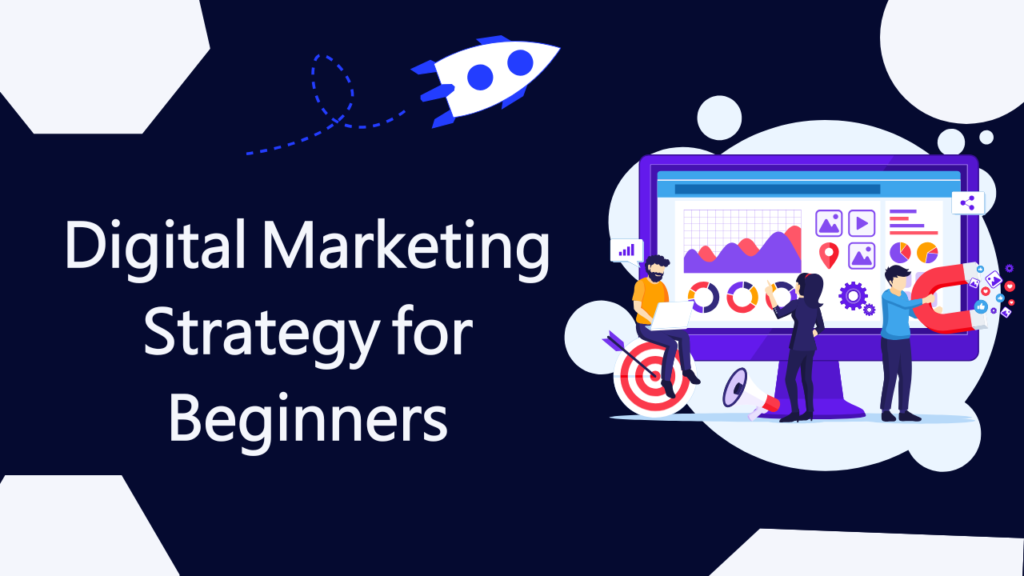
What Is Digital Marketing?
Digital marketing is the process of promoting products or services using online platforms such as websites, search engines, social media, email, and mobile applications.
Unlike traditional marketing, digital marketing allows businesses to:
- Reach people who are already online
- Target specific audiences
- Track performance in real time
- Improve campaigns using data
In simple words, digital marketing helps businesses connect with users through the internet and convert them into customers.
Why Digital Marketing Is Important Today
Today, most people search on Google or social media before buying a product or contacting a service provider. If a business does not have an online presence, it loses potential customers to competitors.
Digital marketing is important because:
Understanding a Digital Marketing Strategy for Beginners ensures you are not left behind as your competitors advance in the digital space.
- Customers trust online information
- People compare multiple options before buying
- Online visibility improves credibility
- Marketing results can be measured and improved
For beginners and small businesses, digital marketing creates equal opportunities to compete with bigger brands using smart strategies instead of large budgets.
Advantages of Digital Marketing
Digital marketing offers many benefits, especially for beginners and startups:
- Low cost compared to offline marketing
- Easy access to local and global audiences
- Targeting based on age, location, language, and interests
- Easy tracking of clicks, leads, and conversions
- Faster promotion and instant feedback
- Content and ads can be edited anytime
- Supports long-term brand building
Utilizing a Digital Marketing Strategy for Beginners allows businesses to reach their target audience more effectively.
Disadvantages of Digital Marketing
Although digital marketing is powerful, it also has some challenges:
Effective implementation of a Digital Marketing Strategy for Beginners can drive results sooner than anticipated, especially when focused.
A comprehensive Digital Marketing Strategy for Beginners helps in pinpointing strengths and weaknesses in your marketing efforts.
- Requires a stable internet connection
- Needs continuous learning and skill updates
- High competition in popular niches
- Online ads may be ignored or blocked
- SEO takes time to show results
- Data privacy and security risks
Understanding these disadvantages helps beginners set realistic expectations and avoid frustration.
What Is Offline Marketing?
Offline marketing refers to traditional promotional methods such as newspapers, television, radio, banners, hoardings, pamphlets, metro ads, and bus ads.
One should always refer back to the Digital Marketing Strategy for Beginners to align ongoing efforts.
Offline marketing mainly focuses on local reach and works well for businesses that target nearby customers or audiences who do not use the internet frequently.
Advantages of Offline Marketing
- Strong local visibility
- Builds trust through newspapers and TV ads
- No digital or technical skills required
- Physical materials like posters and banners last longer
Disadvantages of Offline Marketing
- High cost of printing and advertising
- Limited audience targeting
- Difficult to measure performance
- Ads cannot be edited once published
Understanding the Business Before Marketing
Before starting any digital marketing strategy for beginners, understanding the business is very important.
Types of Businesses
1. Service-Based Businesses
Service-based businesses provide services instead of physical products. Customers pay for skills, experience, or support.
Examples:
- Hospitals providing healthcare services
- Schools and colleges offering education
- Consultants giving professional advice
- Salons offering beauty and grooming services
2. Product-Based Businesses
Product-based businesses sell physical or digital products to customers.
Examples:
- E-commerce stores selling clothes or electronics
- Manufacturers producing furniture or machinery
- Retail shops selling packaged goods
3. B2B (Business to Business)
B2B businesses sell products or services to other businesses.
Examples:
- Software companies selling tools to enterprises
- Digital marketing agencies offering SEO services
- Wholesale suppliers selling raw materials
4. B2C (Business to Customer)
B2C businesses sell directly to individual customers.
Examples:
- Online shopping websites
- Restaurants and cafes
- Mobile service providers
Understanding the Target Audience
Knowing the target audience helps create better marketing campaigns.
Important factors include:
- Location
- Age group
- Gender
- Language
- Interests and online behavior
Without audience understanding, marketing efforts may not give good results.
Competitor Analysis for Beginners
Competitor analysis means studying other businesses that offer similar products or services.
By analyzing competitors’:
- Websites
- Content style
- Keywords
- Advertisements
- Social media activity
beginners can understand what works in the market and what mistakes to avoid. Competitor analysis helps build a strong and long-term digital marketing strategy for beginners.
Creating a Strong Online Presence
An online presence is the foundation of digital marketing success.
Important Platforms to Set Up
- A professional and mobile-friendly website
- Social media profiles (Facebook, Instagram, LinkedIn, Twitter, Pinterest, Quora)
- Google My Business profile for local visibility
- YouTube channel for video content
Each platform serves a different purpose and should be used wisely.
SEO – Search Engine Optimization
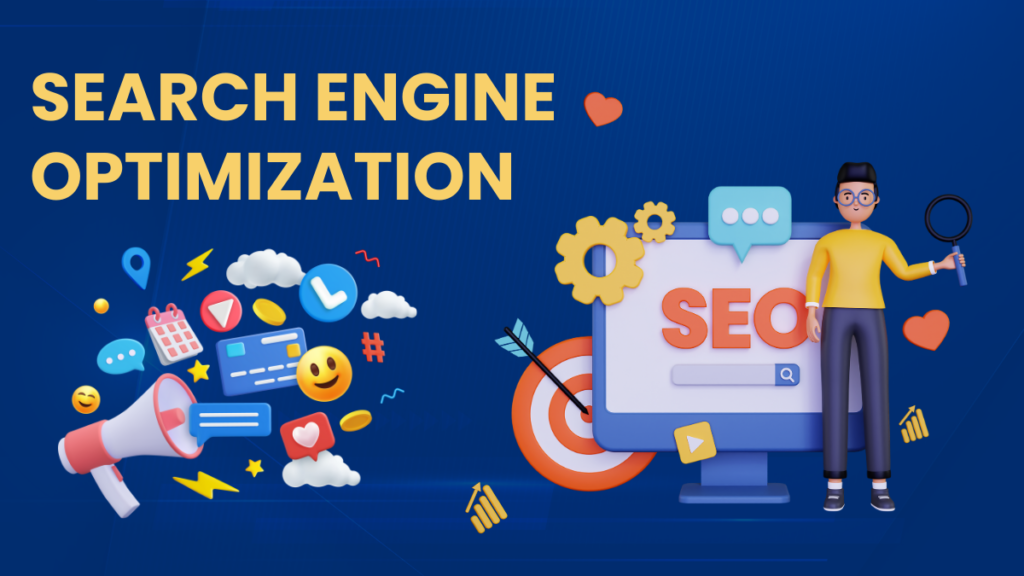
Search Engine Optimization is the process of improving a website so that it ranks higher in search engine results pages.
SEO focuses on:
- Helpful and high-quality content
- Relevant keywords
- Website speed
- Mobile friendliness
- User experience
SEO takes time, but it provides long-term organic traffic without paying for ads.
SEM – Search Engine Marketing
Search Engine Marketing is a paid method of promoting websites using search engine ads.
It works on a Pay-Per-Click model, which means businesses pay only when someone clicks on the ad. SEM gives quick visibility but requires proper budget planning.
SMO – Social Media Optimization
Social Media Optimization focuses on organic growth by posting images, reels, and videos regularly on social platforms.
SMO helps increase brand awareness, engagement, and trust without paid ads.
SMM – Social Media Marketing
Social Media Marketing uses paid advertisements on platforms like Facebook, Instagram, and LinkedIn.
It helps generate leads, website traffic, and brand awareness quickly when campaigns are properly targeted.
Influencer Marketing
Influencer marketing involves promoting products or services through people who already have a loyal audience on social media.
For beginners, micro-influencers are more affordable and effective than celebrities.
WhatsApp Marketing
WhatsApp marketing allows businesses to communicate directly with customers using messages.
It is useful for:
- Sending offers and updates
- Appointment reminders
- Customer support
- Order confirmations
Video Marketing
Video marketing uses videos to explain products, share knowledge, and build trust.
Platforms like YouTube, Instagram, and Facebook help businesses connect emotionally with users.
Email Marketing
Email marketing is used to build long-term relationships with customers.
Businesses use email marketing for:
- Newsletters
- Promotions
- Welcome emails
- Updates and reminders
SMS Marketing
SMS marketing sends short messages directly to users’ mobile phones.
It works best for urgent notifications, offers, and reminders, but permission and legal rules must be followed.
Voice Call Marketing
Voice call marketing involves calling customers to explain services, collect feedback, or provide support.
It is effective for service-based businesses and high-value products.
Forum Marketing
Forum marketing focuses on participating in online discussion platforms to answer questions and provide helpful information.
This method builds authority and trust over time.
Viral Marketing
Viral marketing uses creative and shareable content that spreads quickly through social media.
Although it can bring massive attention, viral success cannot be guaranteed.
Referral Marketing
Referral marketing encourages existing customers to recommend products or services to others.
It works well because people trust recommendations from friends and family.
Online Reputation Management (ORM)
Online Reputation Management is the process of monitoring and improving a brand’s image online.
It includes:
- Managing reviews
- Responding to feedback
- Handling negative comments
A strong online reputation improves trust and conversions.
Podcast Marketing
Podcast marketing uses audio content to educate or entertain listeners while building long-term relationships.
It has lower competition compared to blogs and videos.
Table of Contents
Best Digital Marketing Strategy for Beginners
The best digital marketing strategy for beginners includes:
- Learning basics step by step
- Focusing on one or two channels initially
- Creating valuable and helpful content
- Staying consistent and patient
- Avoiding spam and shortcuts
Common Mistakes Beginners Should Avoid
- Trying all channels at once
- Copying competitors blindly
- Keyword stuffing
- Ignoring content quality
- Expecting instant results
Avoiding these mistakes helps build long-term success.
Conclusion
Digital marketing is not about overnight success. It is about understanding your audience, creating value, and improving continuously.
For beginners, ethical practices, SEO-friendly content, and consistency are the keys to sustainable online growth. A clear and well-planned digital marketing strategy for beginners helps build long-term visibility, trust, and success.
FAQs (SEO & AdSense Safe)
Q1. Is digital marketing suitable for beginners?
Yes, beginners can learn digital marketing gradually with practice.
Q2. How long does SEO take to work?
SEO usually takes a few months depending on competition and content quality.
Q3. Can small businesses benefit from digital marketing?
Yes, digital marketing is affordable and effective for small businesses.
Q4. Is this content safe for Google AdSense?
Yes, this content is original, informative, and policy-compliant.
Q5. Should beginners start with SEO or paid ads?
Beginners should start with SEO and organic methods first.
Ultimately, a thoughtful Digital Marketing Strategy for Beginners will dictate the future of any online business.
Mastering a Digital Marketing Strategy for Beginners is essential for growth and sustainability in the digital age.
In conclusion, a well-structured Digital Marketing Strategy for Beginners can pave the way for future successes.